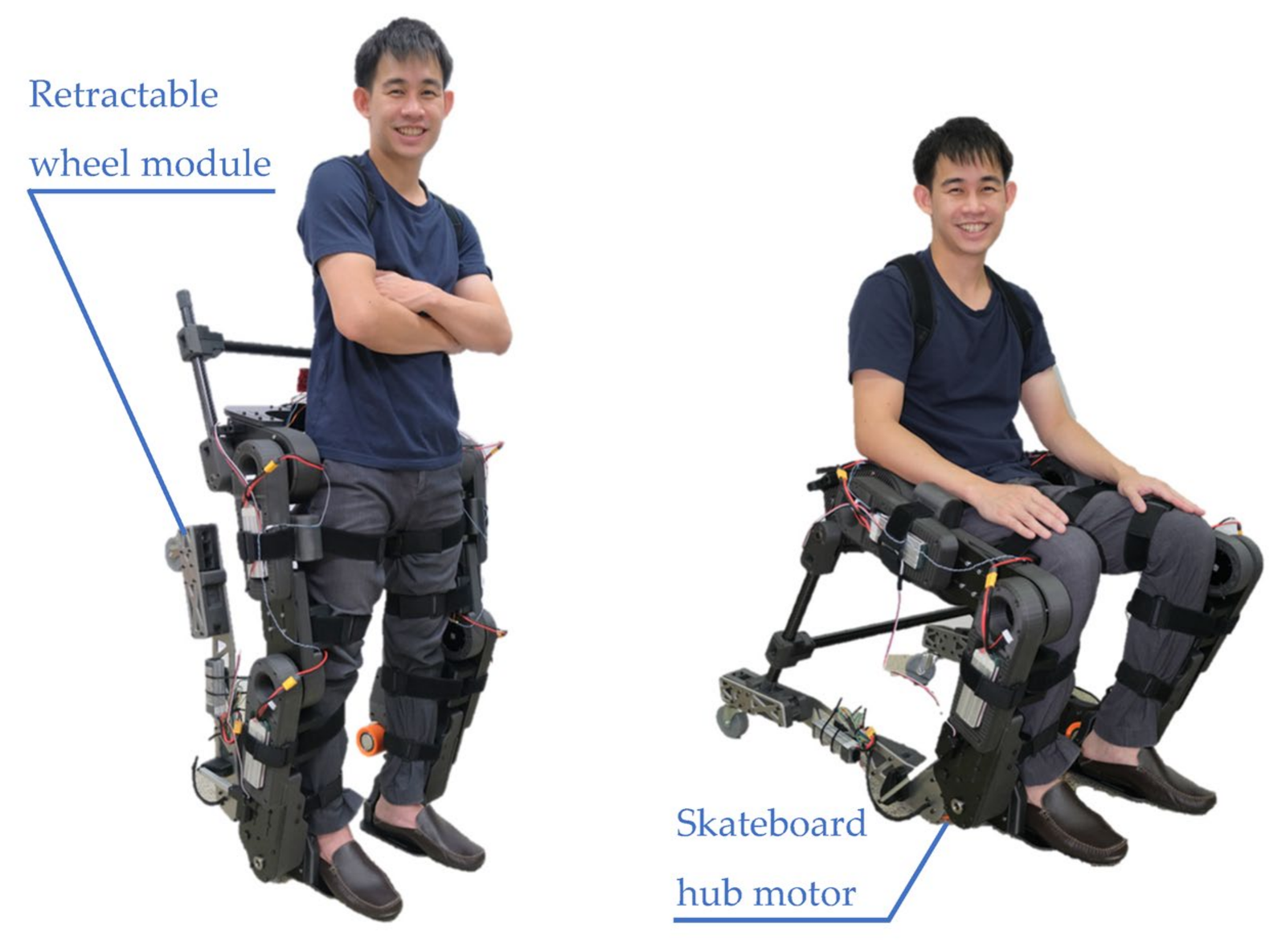
Seniors who want to stay active often run into the same frustrating wall: the mind says “let’s go,” but the legs say “slow down.” As mobility changes with age, the goal usually shifts from speed to safety, comfort, and confidence. That is why wearable exoskeletons are getting so much attention in senior care spaces, including assisted living communities, where walking support can mean more independence and fewer falls.
These devices are not sci-fi costumes. They are practical tools being designed to help seniors stand taller, take steadier steps, and move through daily life with less strain.
What Exoskeletons Actually Do for Seniors:
Exoskeletons are wearable frames—often strapped around the hips, legs, or lower back—that support movement by adding stability and, in some models, powered assistance. For seniors, the big win is not “super strength.” It is smoother walking mechanics and better balance, especially during the hardest moments like rising from a chair, starting a step, or turning around. Some devices reduce the load on joints, which can help seniors who deal with knee pain, hip stiffness, or muscle weakness.
Others provide gentle guidance that encourages a more natural gait, making each step feel less shaky and less exhausting. In simple terms, an exoskeleton can act like a steady companion that supports the body’s motion without taking over completely.
Where Seniors May See Exoskeletons First:
Exoskeleton use for seniors is most likely to grow through rehabilitation and physical therapy settings, because that is where supervised training already happens. After surgery, after a fall, or during strength-building programs, seniors may use exoskeletons to practice safe walking patterns with professional support nearby.
Over time, the technology is expected to move beyond clinics and into everyday environments where seniors want more freedom—like hallways, outdoor paths, and community spaces. As designs become lighter and easier to wear, seniors may see models that look less like medical equipment and more like discreet mobility support, making them less intimidating and more socially comfortable.
Safety, Comfort, and Real-World Practicality:
For seniors, the most important question is not “Does it work?” but “Is it safe and comfortable enough to use regularly?” Fit matters because a poorly fitted device can cause rubbing, pressure points, or awkward movement. Weight matters because seniors should not feel like carrying the very problem being solved. The smartest exoskeletons are built with fall prevention in mind, offering stable support without restricting natural motion.
Seniors also benefit when devices include intuitive controls, clear feedback, and simple donning and doffing, since complicated straps and confusing buttons can quickly become a dealbreaker. Practicality includes battery life, maintenance, and cost, too—because a device that only works for short sessions or is difficult to service will struggle to become part of daily living.
Alao Check : x downloader for live broadcasts videos
The Human Side of Mobility and Independence:
Walking is never just about getting from one place to another. For seniors, walking can represent dignity, routine, and connection—strolling to breakfast, joining an activity, visiting friends, or simply moving without asking for help. Exoskeletons may offer something powerful: a way for seniors to keep participating in life with fewer limits and less fear of falling.
That emotional piece matters, because confidence often shapes mobility as much as muscles do. When seniors feel steady, they are more likely to stay active, and when seniors stay active, they often maintain strength and balance longer. Exoskeletons cannot replace patience, therapy, or good care, but they can become one more tool that supports independence.
Conclusion:
The future of senior mobility is heading toward smarter, lighter, and more user-friendly walking support, and exoskeletons are part of that shift. As the technology improves, seniors may see more opportunities to walk safely, recover faster, and stay independent longer. The biggest promise is not turning seniors into machines—it is helping seniors keep moving through life with steadier steps, greater confidence, and more freedom to do everyday things on their own terms.
- Exoskeleton for elderly for sale
- Exoskeleton legs for elderly persons price
- Exoskeleton for walking
- Hypershell exoskeleton
- Exoskeleton for sale