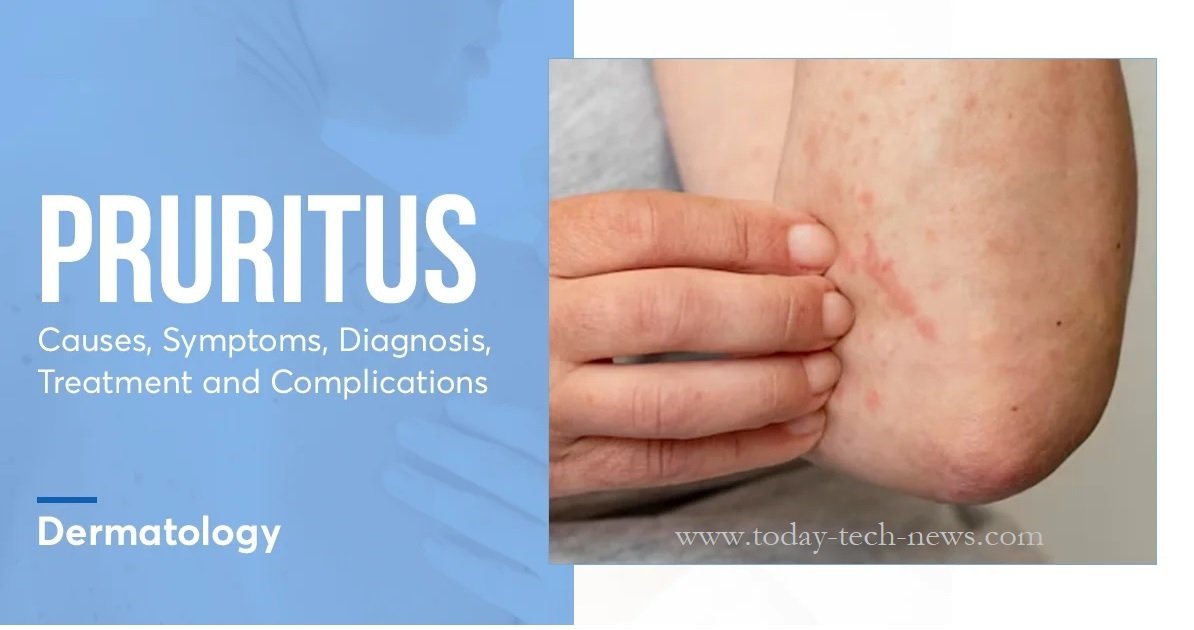
Chronic itching can feel like a small annoyance, but for seniors, it often points to something larger. Persistent pruritus disrupts sleep, dulls concentration, and raises infection risk when scratching breaks fragile skin. In an assisted living community or at home, seniors deserve timely attention to ongoing itch so small problems do not grow into bigger ones.
Why Persistent Itching Signals More Than Dry Skin:
For seniors, skin naturally thins and dries with age, yet an itch that lingers for weeks, worsens at night, or spreads beyond a small patch should raise concern. Repeated scratching can set off a loop: nerve endings grow more sensitive, the skin barrier weakens, and even soft fabrics start to sting.
Seniors may also notice scaly plaques, pinpoint bleeding, bruising from light scratching, or yellow crusts that hint at infection. Any new or changing spot that itches or bleeds especially on sun-exposed areas warrants evaluation by a clinician or dermatologist rather than watchful waiting.
Common Medical Causes Seniors Should Consider
Pruritus in seniors is often tied to medication effects, including opioids, statins, diuretics, or certain blood-pressure drugs. Whole-body itch with little or no visible rash can signal thyroid imbalance, iron-deficiency anemia, diabetes, kidney or liver disease, or cholestasis. Shingles, scabies, eczema, and psoriasis can all present with stubborn itch, as can allergic contact reactions from fragranced soaps, detergents, or topical balms.
Because seniors frequently manage multiple conditions, a clinician should review drug lists, recent lab results, and skin findings together to pinpoint the driver. Treating the cause—rather than only the symptom—usually brings the most reliable relief.
Also Check :
Hidden Risks: Sleep Loss, Skin Damage, and Infection:
Unchecked itch quietly drains energy. Seniors who lose sleep to nighttime scratching face daytime fatigue, memory slips, and low mood. Fingernails—even when kept short—create tiny cuts that invite bacteria, turning a nuisance into cellulitis. Repetitive rubbing thickens skin on shins, forearms, and the nape, a process called lichenification that makes the itch even harder to settle.
Seniors living with diabetes or poor circulation heal more slowly, so preventing breaks in the skin is not cosmetic; it protects overall health and independence. Prompt attention helps preserve comfort, mobility, and confidence in daily routines.
Smart Relief Strategies to Try With Medical Guidance:
Daily use of fragrance-free moisturizers traps water and supports the barrier; creams or ointments often outperform lotions for seniors with very dry skin. Short, lukewarm showers, gentle cleansers, and pat-dry routines help. Cool compresses and colloidal oatmeal baths can calm flares.
A clinician may add topical corticosteroids for inflamed patches, non-steroid creams for delicate sites, antihistamines for night itch, or targeted medicines such as gabapentin, mirtazapine, or bile-acid binders when systemic causes are identified. Cotton clothing, a bedside humidifier, trigger logs, and trimmed nails further reduce injury from scratching.
Conclusion:
Seniors should treat chronic itching as a health signal, not a harmless quirk. Early evaluation uncovers medical causes, protects sleep and mood, and prevents infections. With attentive skincare and timely medical care, seniors can reclaim comfort, protect skin, and enjoy steadier days.
Also search for:
- Best Lotion for elderly itchy skin
- What helps itchy skin in elderly
- What causes severe itching in the elderly
- Elderly itchy skin on back
- Elderly itchy skin at night
- Senile pruritus
- Senile pruritus pictures
- what cancer can cause itchy skin?